Receiving the Body and Blood of Christ
Holy Eucharist in Waianae for Orthodox Christians prepared to commune with Christ during the Divine Liturgy
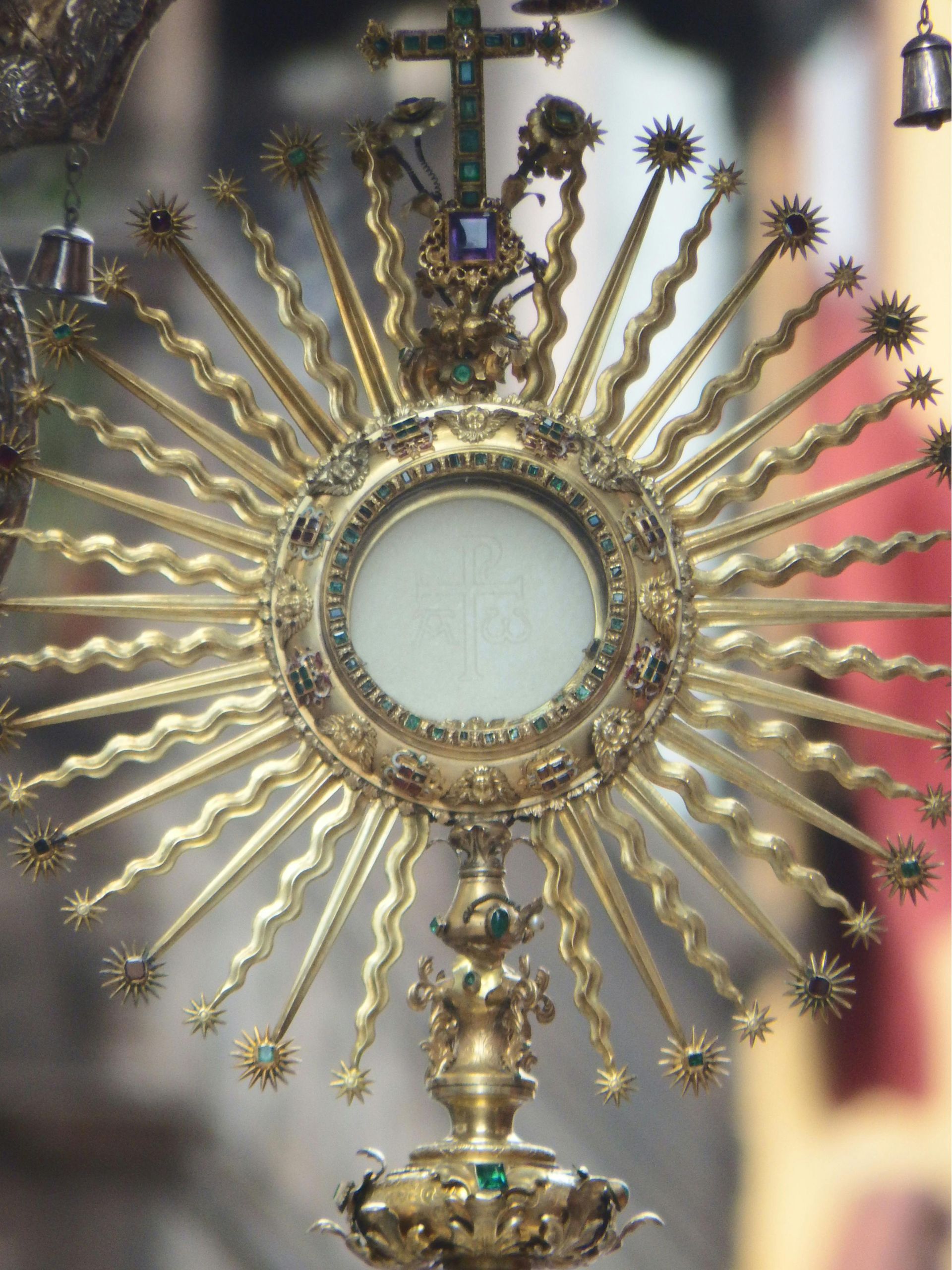
St Michael the Archangel Church of the East offers the Holy Eucharist as the central sacrament of Orthodox worship, celebrated during each Divine Liturgy. You receive the consecrated bread and wine, which the Church teaches become the true Body and Blood of Christ, not symbolically but actually. The priest consecrates the gifts on the altar through prayers that have been spoken in unbroken succession since the time of the apostles. You approach the chalice after preparing through prayer, fasting, and confession, and the priest administers the Eucharist using a liturgical spoon, placing it directly in your mouth.
The Eucharist addresses the need for ongoing communion with Christ and unity within the body of the Church. It is not open to all visitors; it is reserved for baptized and chrismated Orthodox Christians who have prepared spiritually and are in good standing with the Church. The act of receiving the Eucharist is the culmination of the liturgy and the means by which you are nourished and sustained in the spiritual life. It is not an occasional practice but a regular part of faithful participation in the life of the parish.
If you are an Orthodox Christian seeking to receive the Eucharist in Waianae, speak with clergy about your preparation and attend the Divine Liturgy when you are ready to commune.
How Communion Is Received
You stand in line with other communicants, having fasted from food and drink since midnight, and approach the chalice with reverence. The deacon calls your baptismal name, and the priest places the liturgical spoon in your mouth, giving you a portion of the consecrated bread soaked in the consecrated wine. You step aside, receive a piece of blessed bread called antidoron, and return to your place to pray in silence. The taste is warm and faintly sweet, the texture soft, and the act itself is both simple and deeply significant.
After receiving communion, you leave the liturgy knowing that you have partaken of the mystery that unites heaven and earth, the living and the departed, and all members of the Church across time and space. St Michael the Archangel Church of the East maintains the discipline and theology of the Eucharist as it has been practiced in the Orthodox tradition, ensuring that the sacrament is approached with preparation, reverence, and understanding of its profound meaning.
You may not receive the Eucharist if you have not been baptized and chrismated in the Orthodox Church, if you have not fasted as required, or if you have not recently confessed your sins to a priest. These requirements are not arbitrary; they reflect the Church's teaching that the Eucharist is the most sacred act of worship and must be received in a state of spiritual readiness. If you are visiting from another Orthodox parish, you are welcome to commune if you are in good standing with your home church.
Those new to Orthodox worship or returning after time away often ask about preparation, frequency, and the meaning of the sacrament.
Common Questions About the Eucharist
What preparation is required before receiving communion?
You should fast from food and drink beginning at midnight, attend the Divine Liturgy from the beginning, and have recently made confession to a priest, ideally within the past month.
How often should I receive the Eucharist?
The Church encourages regular communion, often weekly, for those who are spiritually prepared and living in accordance with the teachings of the faith.
When is the Eucharist offered?
The Eucharist is celebrated during each Divine Liturgy at St Michael the Archangel Church of the East, typically on Sundays and major feast days.
Why is the Eucharist restricted to Orthodox Christians?
The Eucharist signifies full unity in faith and practice. Receiving it presumes acceptance of Orthodox doctrine and membership in the Church through baptism and chrismation.
What happens if I cannot fast?
Speak with the priest in Waianae about your circumstances. There are provisions for those with medical needs or other limitations, but fasting remains the norm for those able to observe it.
St Michael the Archangel Church of the East invites Orthodox Christians to participate in the Holy Eucharist as the heart of their spiritual life. Prepare yourself through prayer and fasting, and join the community in receiving the Body and Blood of Christ during the Divine Liturgy.