Worship in the Language of the Early Church
Divine Liturgy in Waianae for those seeking Orthodox worship rooted in Aramaic tradition and ancient Christian practice
St Michael the Archangel Church of the East conducts the Divine Liturgy using the Aramaic Bible, the original language spoken during the time of Christ and the apostles. You attend a service where scripture is read and prayers are chanted in the same tongue used in early Christian communities across the Middle East. The liturgy includes structured prayer, readings from the Old and New Testaments, hymns, and participation in the Holy Eucharist, all guided by clergy trained in both pastoral care and Orthodox theology.
This service addresses the need for reverent, historically grounded worship that maintains continuity with the apostolic Church. The use of Aramaic preserves linguistic and theological elements that modern translations sometimes obscure. Families and individuals seeking a liturgical environment rooted in early Christian tradition find here a structured rhythm of worship that emphasizes communal participation, scriptural depth, and sacramental life. The service follows a set order that has been preserved across centuries, with specific prayers and responses offered at designated moments throughout the liturgy.
If you are drawn to Orthodox worship that honors the language and tradition of the early Church, you are welcome to attend the Divine Liturgy in Waianae and speak with clergy about participation.
What Happens During the Liturgy
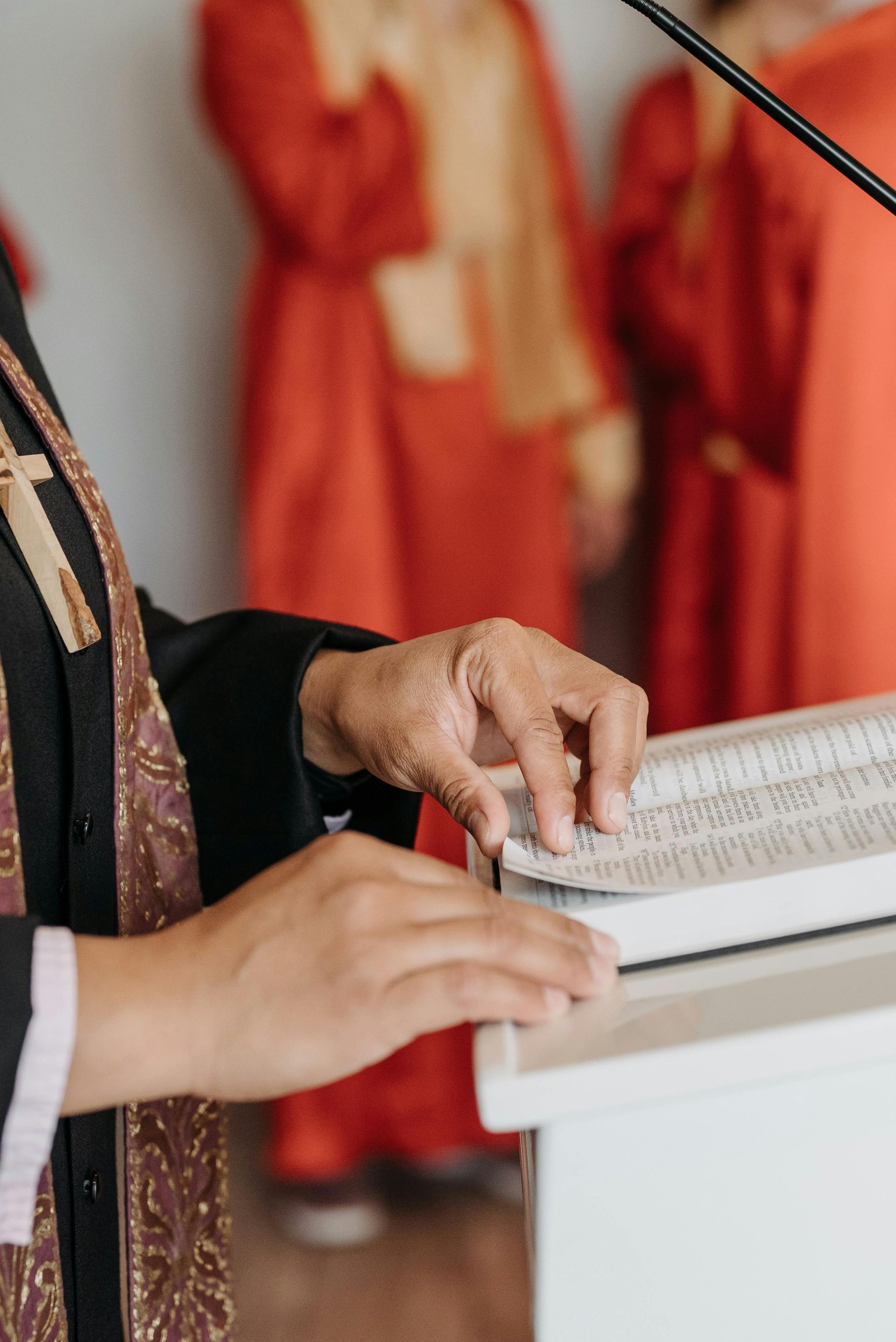
You enter the sanctuary and are greeted by the sound of Aramaic chant, the scent of incense, and the sight of iconography that reflects centuries of Orthodox Christian tradition. The priest and deacon lead the congregation through a series of prayers, petitions, and readings, each with a specific liturgical function. You hear the Gospel proclaimed, participate in the recitation of the Creed, and join in offering prayers for the living and the departed. The liturgy is not abbreviated or adapted for convenience; it retains its full structure as practiced in the early Church.
After the service concludes, you leave with a sense of having participated in something ancient and unchanging. The words spoken, the gestures performed, and the sacrament received connect you to a pattern of worship that extends back through generations of believers. St Michael the Archangel Church of the East maintains this continuity through careful adherence to liturgical form and the use of the Aramaic text, ensuring that the theological meaning embedded in the original language is not lost.
The liturgy does not include contemporary music, informal addresses, or spontaneous alterations to the order of service. It follows a fixed structure that has been passed down through the centuries. The congregation stands for most of the service, following the traditional posture of prayer in the Eastern Church. The clergy vest in liturgical garments that signify their role in the sacramental life of the community, and the altar is prepared according to specific rubrics that govern the celebration of the Eucharist.
Many people who visit for the first time want to know what to expect, how the service is structured, and what participation entails.
Questions About Orthodox Worship in Aramaic
What language is used during the Divine Liturgy?
The liturgy is conducted in Aramaic, the language Christ spoke, along with some portions in English to aid understanding for those new to the tradition.
How long does the service last?
The full Divine Liturgy typically lasts between one and two hours, depending on the calendar and the specific prayers included for that day.
When is Holy Eucharist offered?
The Eucharist is celebrated during each Divine Liturgy and is offered to baptized and chrismated Orthodox Christians who have prepared through prayer and confession.
Why is the Aramaic Bible used?
The Aramaic text preserves theological nuances and linguistic connections to the original context of the New Testament, offering a direct link to the language of the early Church.
What should I do if I am not Orthodox?
You are welcome to attend and observe the liturgy in Waianae, and you may speak with clergy afterward if you have questions about the faith or are considering reception into the Church.
St Michael the Archangel Church of the East invites you to join a community that worships according to the ancient rites and language of the apostolic Church. Whether you are exploring Orthodoxy for the first time or seeking a parish that maintains the Aramaic tradition, you are welcome to attend the liturgy and meet with clergy to discuss your spiritual journey.